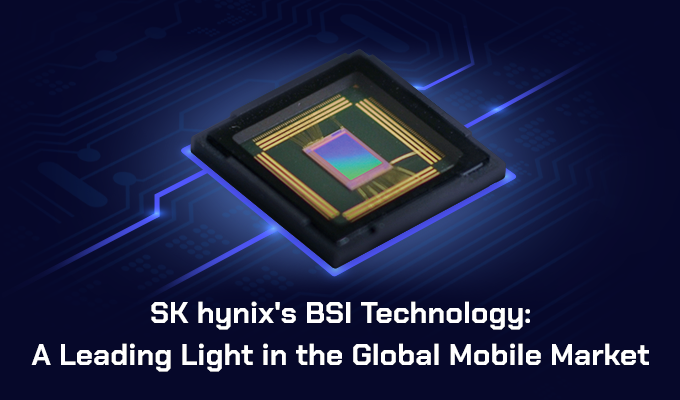
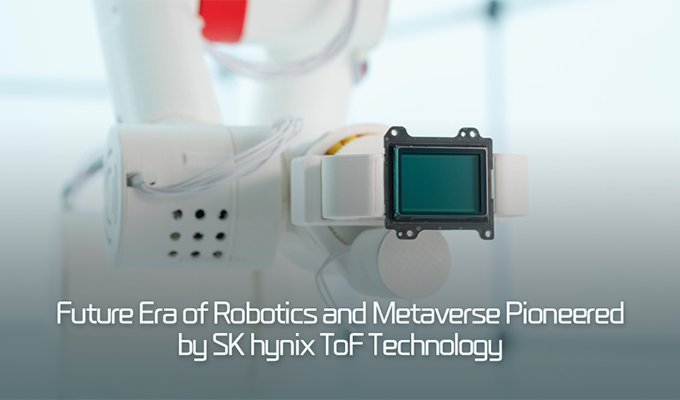
Recent advancements in CMOS Image Sensor (CIS) technology have been nothing short of phenomenal. These small but powerful sensors have become an integral part of smartphones and other electronic devices, enabling us to capture more images and information than ever before.
The journey, however, has just begun for CIS technology, as outlined in a recent EDN column by Kangbong Seo, SK hynix Head of Future Innovation Technology.
CIS technology continues to play catch-up to the ability of human eye that took billions of years to evolve. In the quest to capture more complex information, Seo outlines how the CIS industry is pushing the boundaries on not only pixel size and resolution, but also power efficiency and value added function.
CIS is consistently enlarging its application fields to wearable devices, self-driving cars, robots, drones and more. These will enrich the life of human beings. However, we will also have to solve the privacy issue of unauthorized information and the potential misuse of huge amounts of data, he writes.
For Seo’s full column, click on this link [EDN: Metavision of CMOS image sensors: The eye beyond the eye]
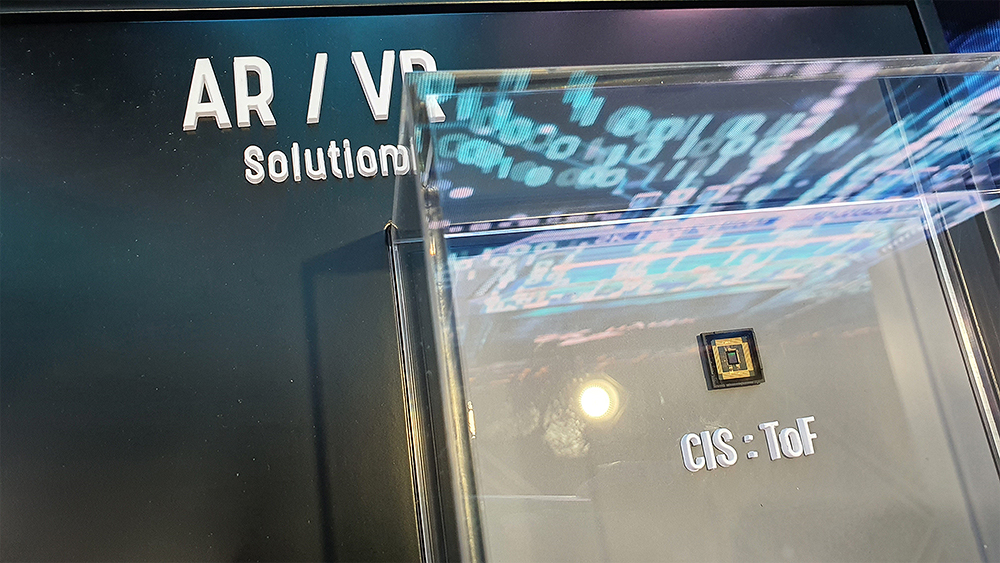
▲ Figure 1. SK hynix’s 1st ToF Sensor

Kangbong Seo (KB)
>Head of Future Innovation Technology at SK hynix