How Can Regions Losing Their Growth Momentum Find a Solution?
The atmosphere in regions facing the threat of extinction is heavy. While the glamorous Seoul metropolitan area continues to leap forward, the spaces of “struggling local areas*” are quietly losing their vitality. Statistics on rural farming, mountain, and fishing villages, beset by demographic cliffs and economic decline, bear out this reality.
* Struggling local areas: Regions outside the Seoul metropolitan area that are facing limits to growth
Many efforts have been made to overcome this problem, but the results have been slow to materialize. Breaking through such challenges requires more than a central government-led approach; it demands the active participation of the private sector. In particular, when it comes to the scale and sustainability of projects and structural innovation, corporate investment in local areas can serve as the most direct means of addressing the problems facing struggling regions.
Global Case Studies in Corporate-Led Regional Revitalization
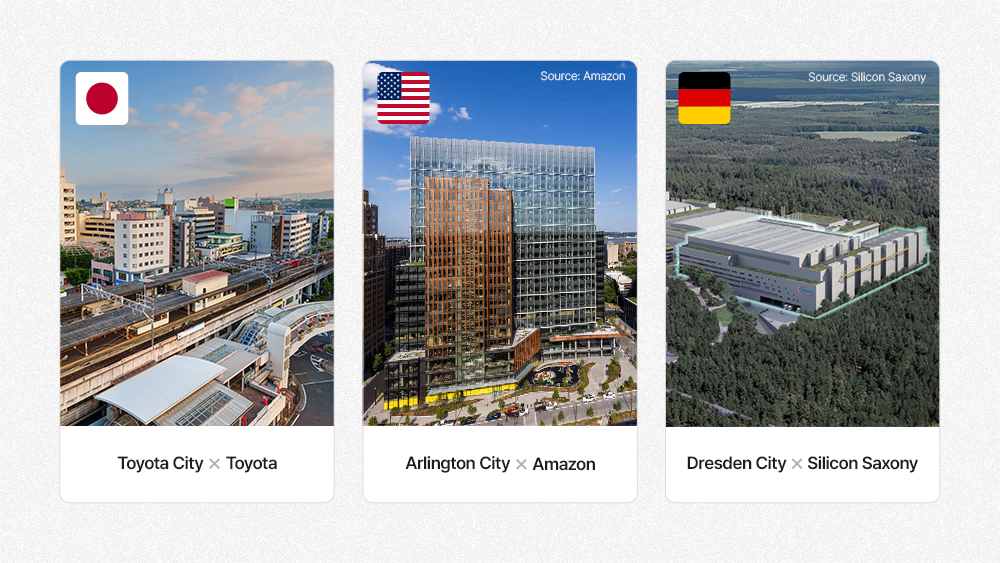
Toyota City, Japan: A Virtuous Cycle of Corporate-City Integration
leading example of corporate-led regional restoration can be found in neighboring Japan. Toyota City transformed a once-neglected local area into a fully integrated automotive cluster, covering both front-end and back-end, to the point where the city’s name is synonymous with the company. By placing its headquarters, factories, and universities in the area, Toyota created a self-sustaining circular economy within the region. With 70–80% of the total population employed across Toyota’s value chain, employment stability is a given, and robust corporate tax revenue (fiscal income) ensures top-tier public services. True to its role as a pioneering model of corporate-led shared growth, active social contribution programs and resource-sharing initiatives connect the company with local residents.
Arlington, Virginia, U.S.: The Regional Economic Impact of Amazon’s HQ2
The case of Amazon’s second headquarters (HQ2) in Arlington, Virginia also merits attention. When Amazon selected the location for its second headquarters in 2018, the regional economy was fundamentally transformed. The move generated more than 25,000 direct jobs with an average annual salary of USD 150,000, total annual payroll exceeding USD 3.75 billion, and approximately USD 4 billion in new construction investment. The state government of Virginia reportedly gained a net fiscal benefit of more than USD 164 million annually, exceeding the cost of public services. This case demonstrates how attracting a major corporation can simultaneously drive demand for local talent and infrastructure, and how public-private cooperation can achieve shared regional prosperity.
Regional Innovation in Germany: The Cases of Hamburg, Dresden, and Essen
Hamburg’s HafenCity harbor redevelopment and urban regeneration project, Dresden’s Silicon Saxony semiconductor cluster initiative, and Essen’s Zollverein coal mine restoration are all exemplary cases of public-private partnerships transforming endangered industrial heritage into innovation hubs. Silicon Saxony, in particular, was reborn as an advanced manufacturing hub in the former East Germany, centered around a semiconductor company cluster—with close cooperation among corporations, universities, and local governments serving as the key driver of success. This model is structurally similar to the SK hynix–Cheongju model.
SK hynix’s Investment in Cheongju: A Korean Model of Corporate-Led Regional Growth
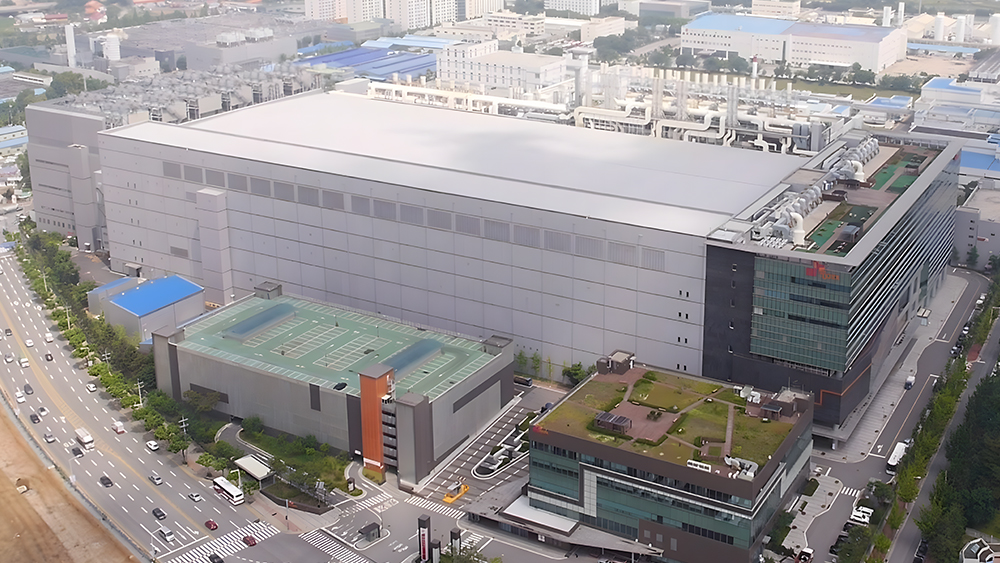
SK hynix and Cheongju share a deep and longstanding connection. From 2008 to 2025, the company built four semiconductor production facilities backed by massive investments, making a significant contribution to laying the groundwork for regional revitalization. And recently, welcome news arrived. On April 22, a groundbreaking ceremony was held at the Cheongju Technopolis Industrial Complex for ‘P&T7 (Package & Test 7),’ a new production facility with an investment of trillions of Korean won. SK hynix once again demonstrated its capabilities and commitment to shared growth with the local community.
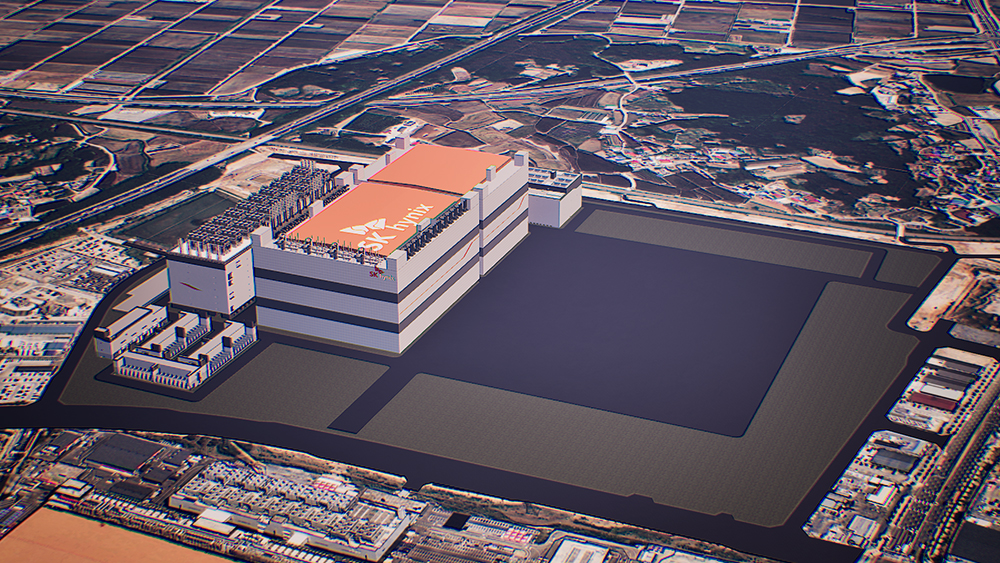
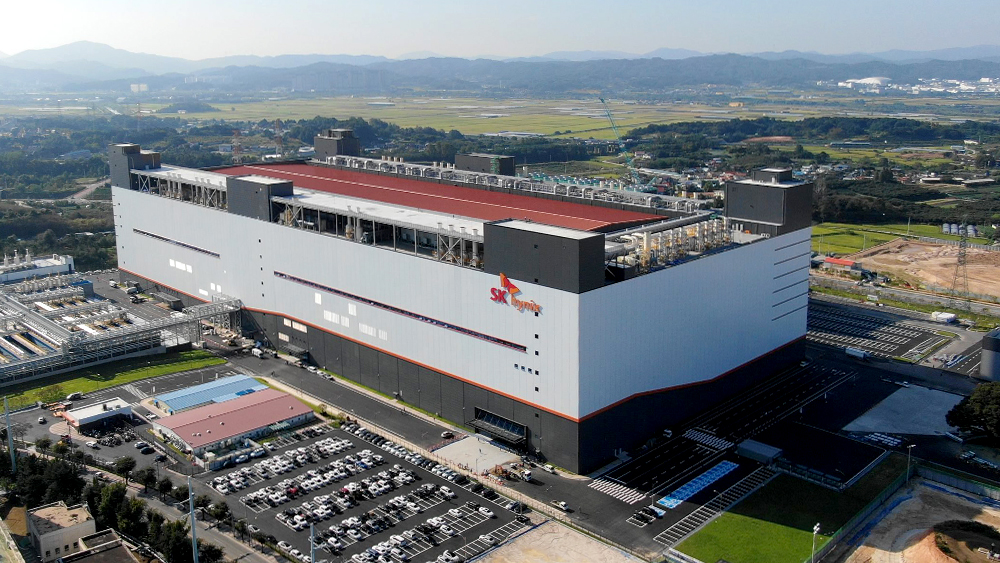
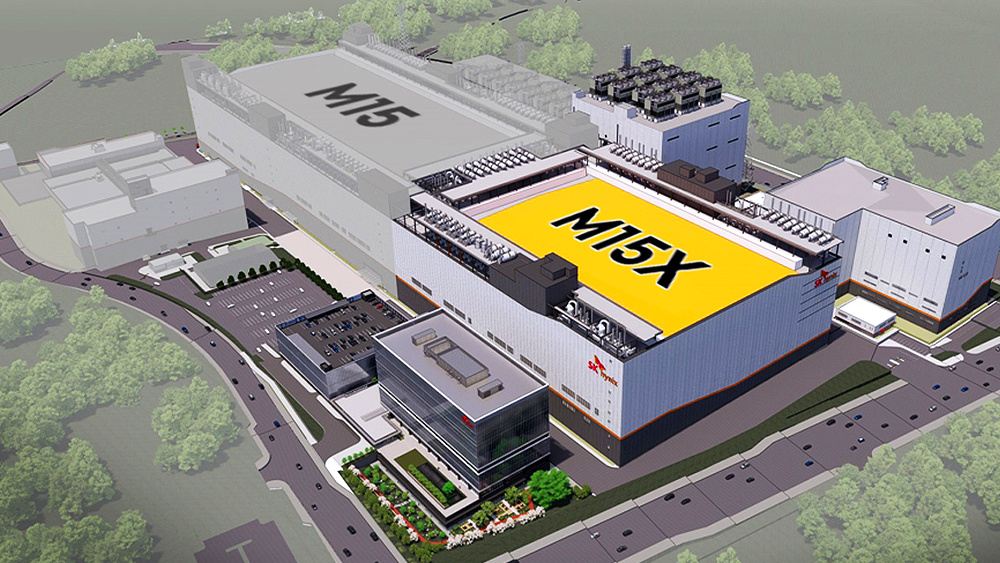
The projected economic and social value (EV/SV) of P&T7 is particularly encouraging. In terms of new job creation, up to 9,000 construction workers per day, and approximately 2 million over the course of a year, are expected to be deployed through the facility’s completion by the end of 2027. The number of in-house operating personnel alone is estimated at approximately 3,000. Infrastructure expansion needs will follow, generating new growth engines for transportation, commercial districts, and housing. As the number of surrounding partner companies grows, shared growth programs, including technology development support, management consulting, financial assistance, and ESG improvement activities, will inevitably be strengthened as well.
While estimates vary depending on the metrics and formulas used, the derived economic effects are expected to be substantial. According to an economic feasibility analysis from prior research (Korea University), the construction of a single fab at a scale comparable to P&T7 generates a production-inducing effect of KRW 15.6 trillion and added value of KRW 5.7 trillion. Even at the post-construction production stage, the effects are estimated at KRW 13.7 trillion and KRW 5.9 trillion, respectively. Expanded local tax revenue is also evident. SK hynix paid over KRW 100 billion in local corporate income tax to Cheongju alone in 2025, and is expected to contribute even more to local government finances going forward, driven by strong performance and facility investment.
The construction of P&T7 is a measure to strengthen HBM demand responsiveness and AI memory manufacturing capabilities in the midst of the semiconductor super cycle, and is expected to become a landmark case in leading the revitalization of struggling local areas.
The Future of Local Regeneration, Driven by Corporate and Public-Private Partnerships
Local regeneration is an urgent challenge for Korean society and a major national policy agenda. If left unaddressed, population decline and economic stagnation risk triggering a range of social problems. Given the far-reaching impact on society as a whole, a full mobilization of capabilities and resources is necessary. In particular, corporate participation can serve as an engine driving regional development. Public-Private Partnerships (PPP) built on this foundation represents the defining trend of our times.
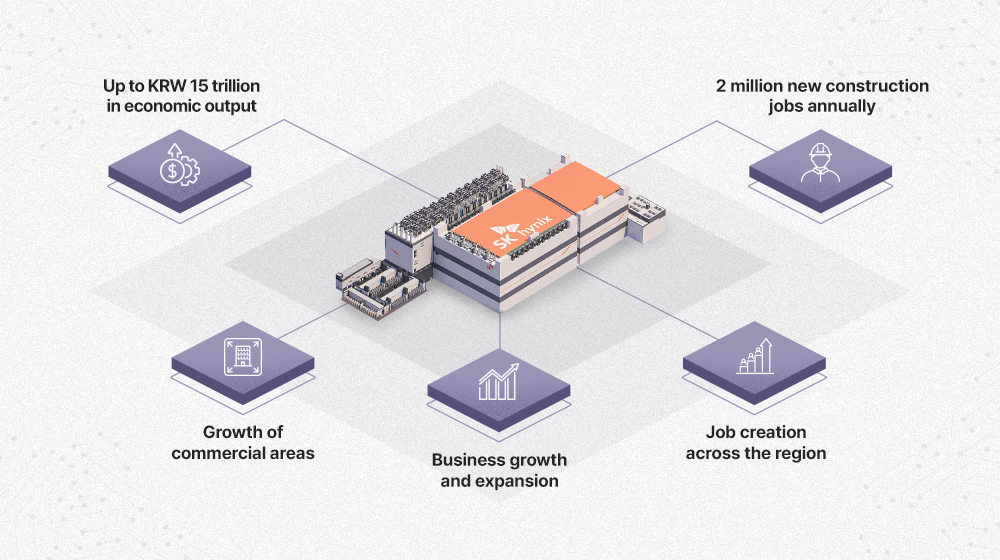
Just as the SK hynix–Cheongju model of regional revitalization shows, more win-win cases are needed—ones that generate benefits across employment, housing, commercial districts, infrastructure, and tax revenue in step with corporate growth. Rather than viewing business solely through the narrow lens of profit generation for a specific group, approaching it as a solution to regional challenges opens the door to a future of local restoration where “fewer people leave and more people gather”—a future that is far from unattainable.

Disclaimer: The opinions expressed in this article are solely those of the author and do not necessarily reflect the official position of SK hynix.